Grandmacore: The Interior Design Trend Defining Los Angeles Homes in 2026
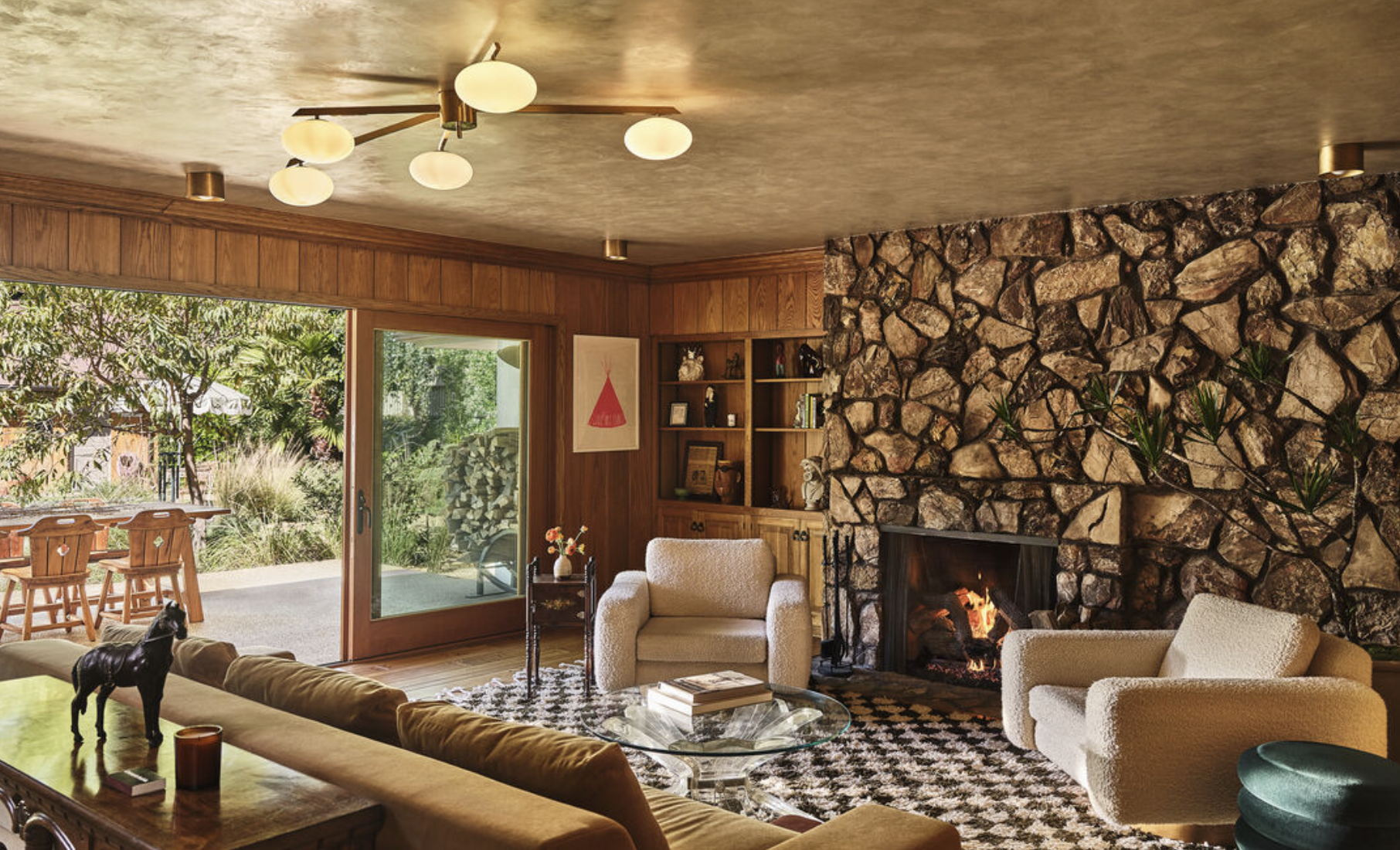
A classic Grandmacore living room in Los Angeles, showcasing original wood paneling, a stone fireplace, and layered vintage design. Image provided by Jonathan Mogharrabi.
What Is the Next Interior Design Trend in Los Angeles?
If you’ve spent any time in Los Angeles real estate, you know that certain architectural styles never fall out of favor. 1920s Spanish homes—with their archways, original tile, and textured plaster walls—have remained highly desirable for decades. The same can be said for mid-century modern homes, especially those designed by architects like Richard Neutra or Buff & Hensman. These homes continue to define the Los Angeles aesthetic and likely will for years to come.
But while architecture tends to hold steady, interior design evolves much more quickly. And right now, there’s a noticeable shift happening inside the homes across Silver Lake, Los Feliz, Echo Park, Highland Park, Eagle Rock, Mt. Washington, and Pasadena.
The next trend isn’t ultra-modern. It’s not minimalist. And it’s definitely not all-white.
It’s something warmer, more layered, and rooted in nostalgia.
It’s Grandmacore.
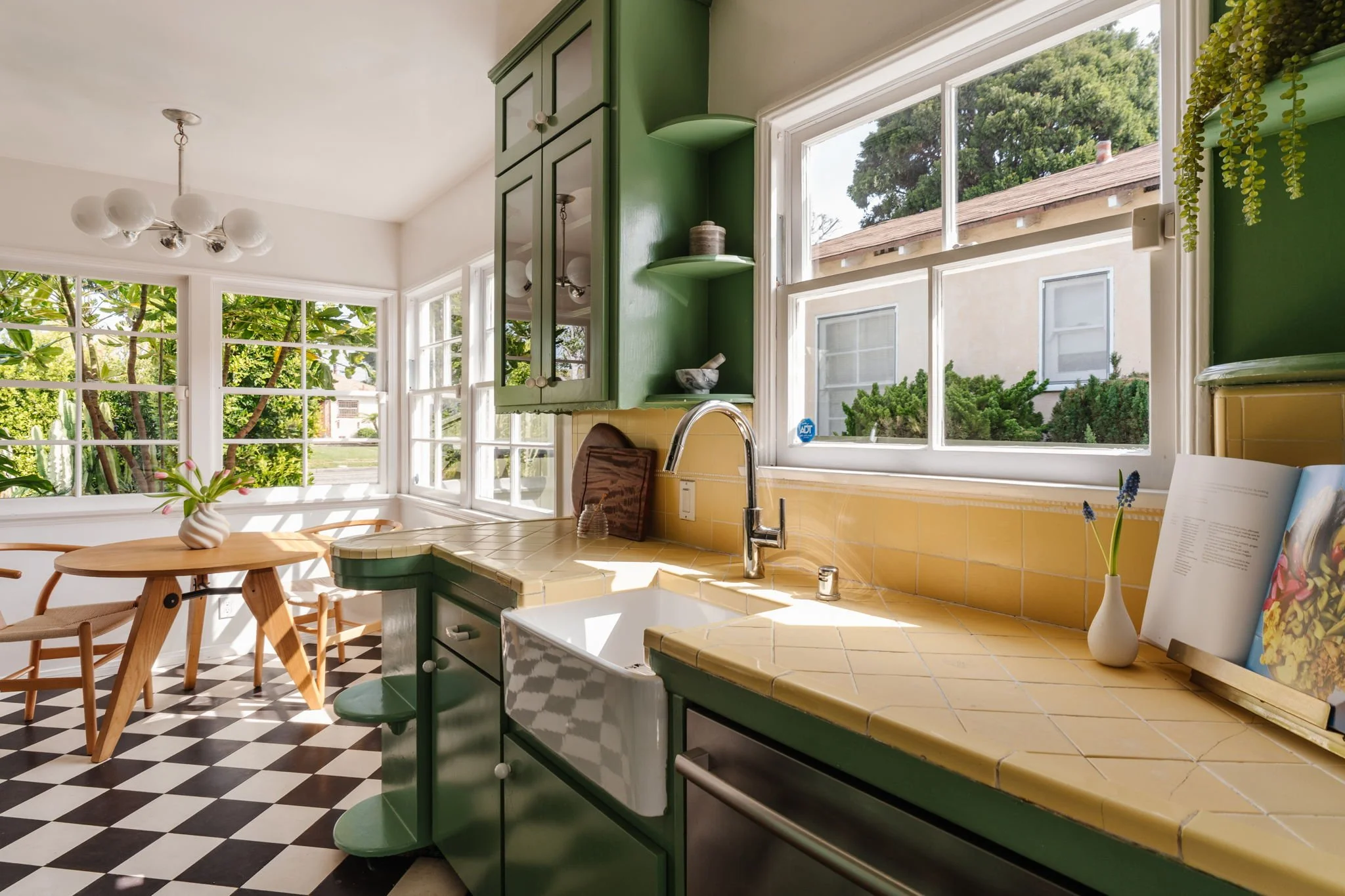
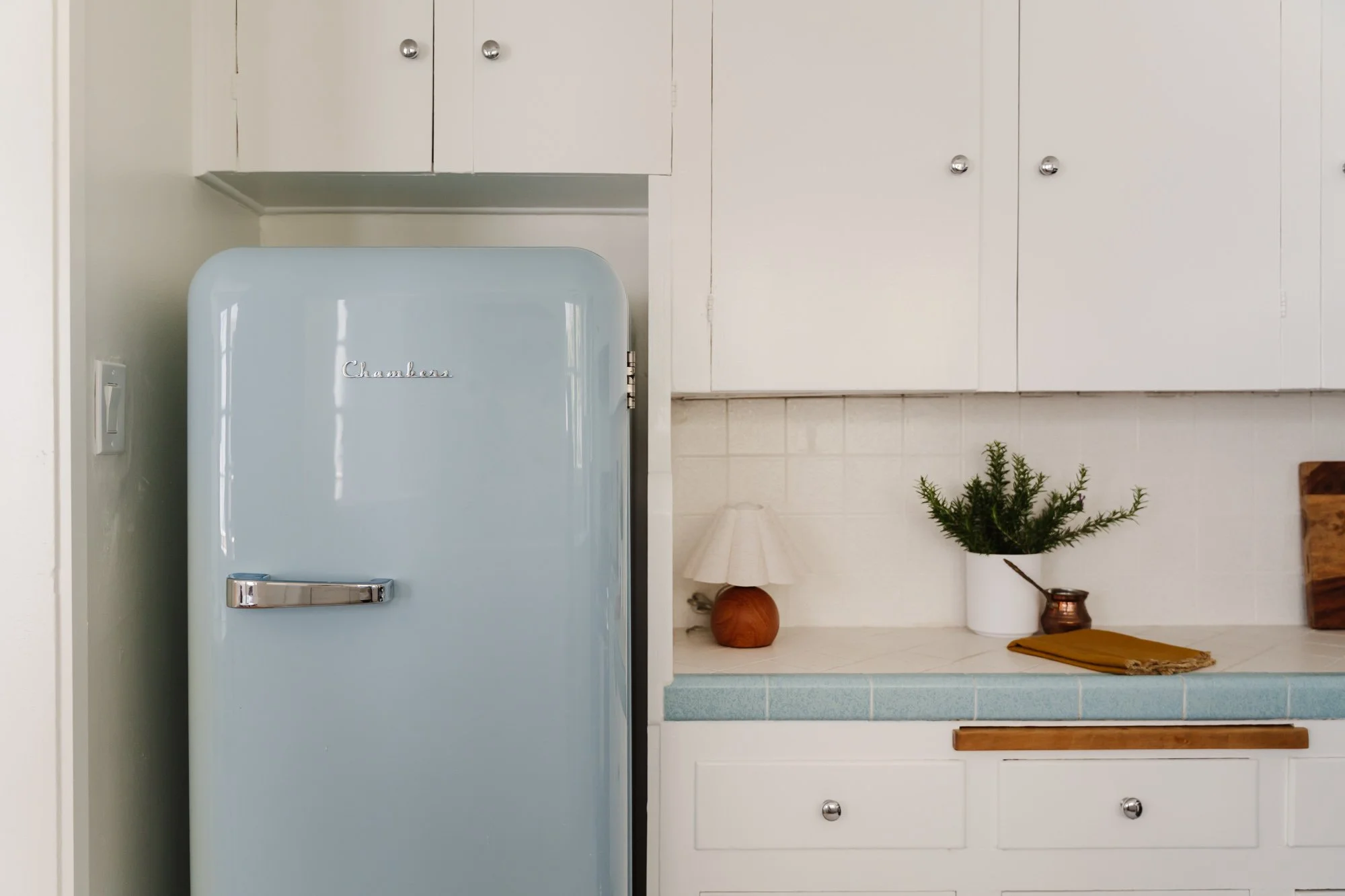
Original tile kitchens like this are becoming a major selling point as Grandmacore gains popularity.
What Is Grandmacore?
Grandmacore is a design approach inspired by traditional post-World War II homes built throughout Los Angeles in the 1940s, 50s, and 60s. These homes were often overlooked for years, seen as outdated compared to Spanish or mid-century properties. But today, they’re being rediscovered—and reimagined.
Instead of stripping these homes down, Grandmacore embraces what’s already there.
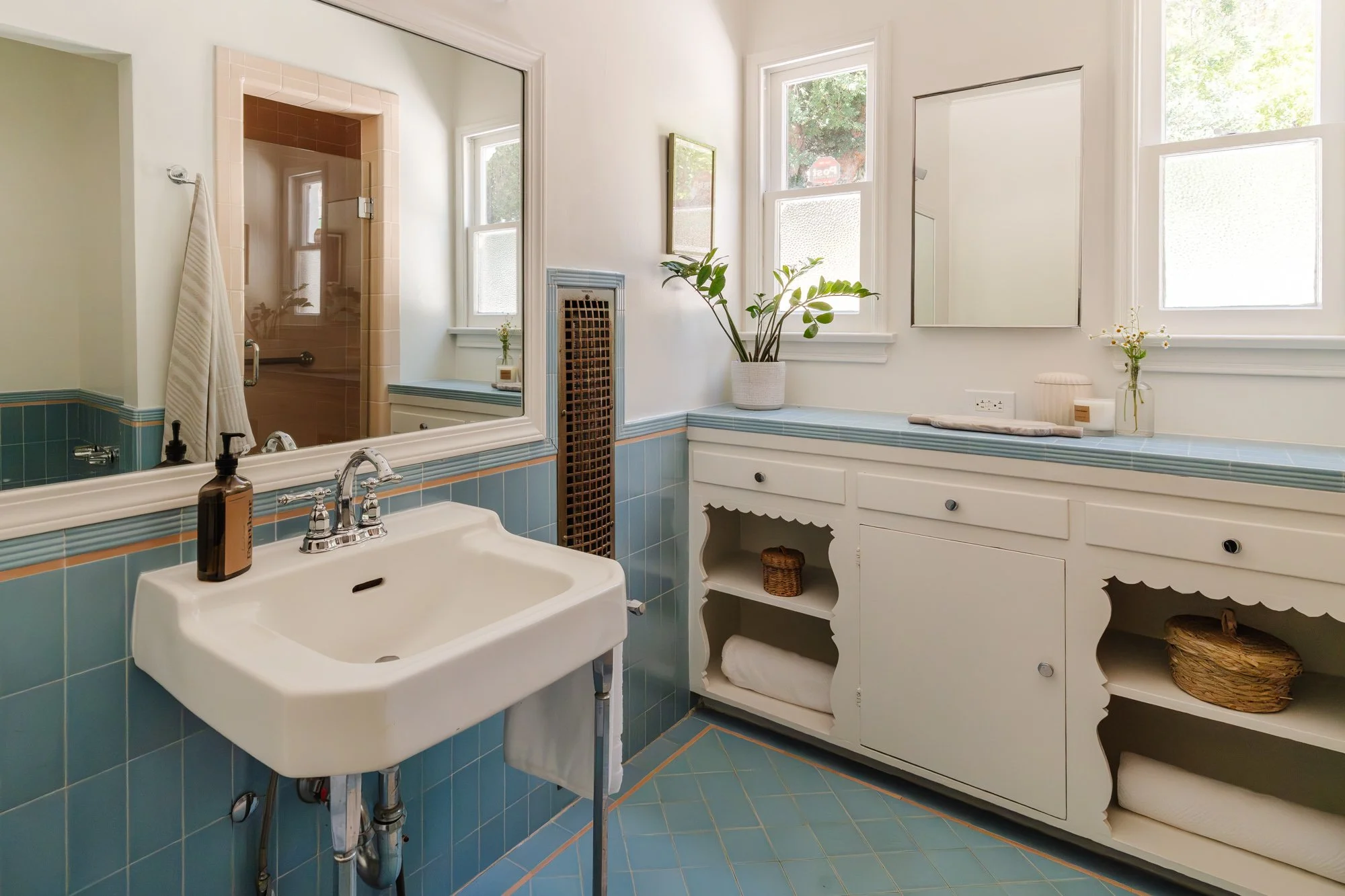
Original rock or brick fireplaces become focal points. Wood-paneled walls are preserved rather than removed. Vintage light fixtures stay in place. Kitchens and bathrooms with colorful tile are celebrated, not replaced. The design direction leans into a more maximalist approach, layering textures, patterns, and color to create spaces that feel collected and personal rather than sterile.
The result is a home that feels warm, nostalgic, and completely unique.
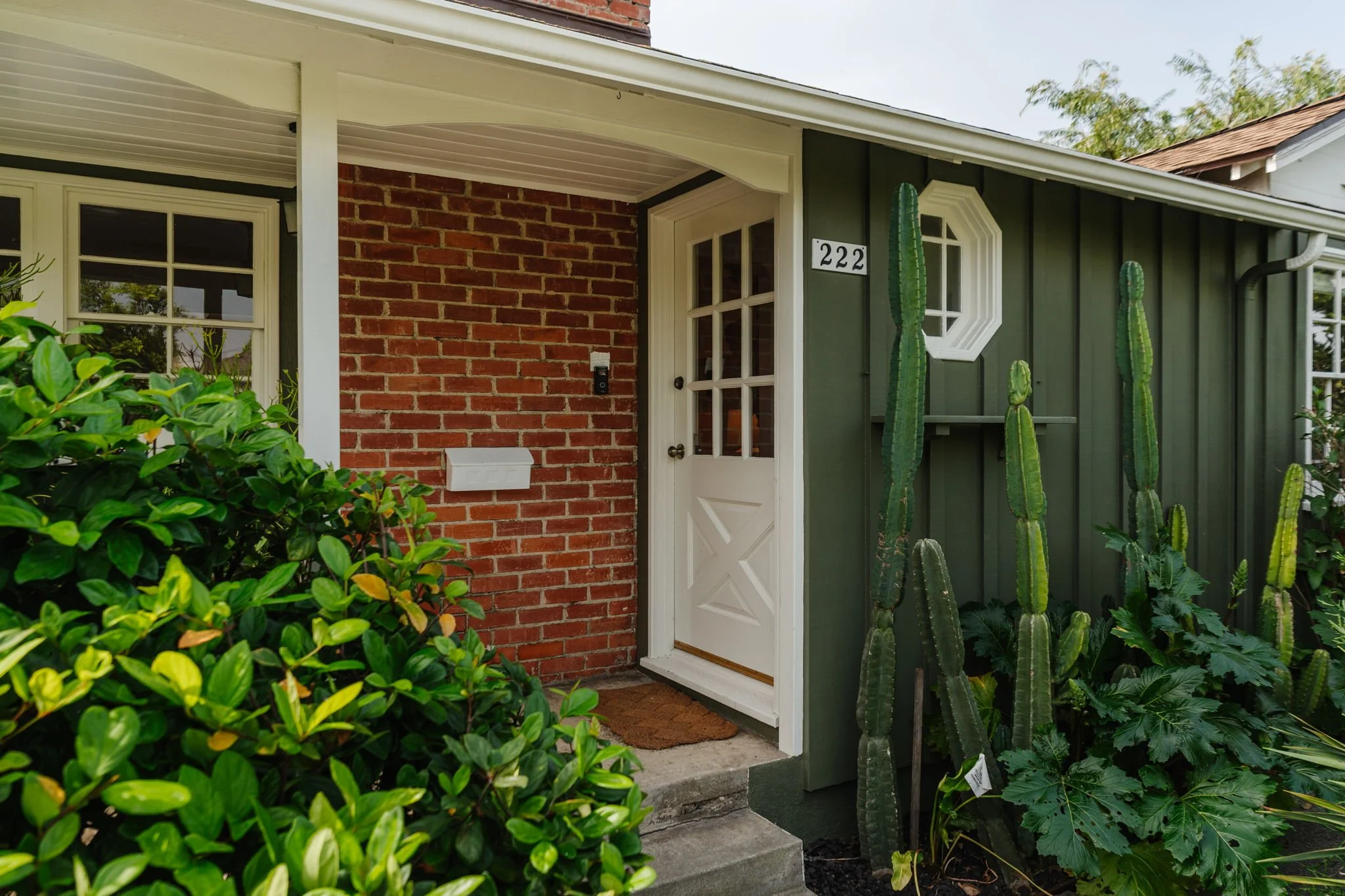
Traditional post-WWII home in Los Angeles, the perfect architectural canvas for the Grandmacore interior design trend.
Where You’ll Find These Homes in Los Angeles
These traditional homes are everywhere once you start looking for them. Many were built after World War II to address the city’s housing shortage, often as infill between earlier 1920s and 1930s Spanish and Tudor homes.
You’ll see them throughout Northeast Los Angeles and Pasadena, particularly in neighborhoods like Moreno Highlands in Silver Lake, Franklin Hills in Los Feliz, across Eagle Rock, and into Pasadena in areas like San Pasqual and Chapman Woods.
What makes these neighborhoods especially compelling is the combination of strong underlying architecture and a design-forward buyer pool. That’s not always the case on the Westside, where areas like Culver City or Palms can lack the same concentration of architectural character unless you’re paying a significant premium.
In NELA and Pasadena, these homes are still accessible—and full of potential. If you’re considering selling in one of these neighborhoods, working with a Silver Lake real estate agent who understands traditional architecture and design trends can help position your home more effectively.
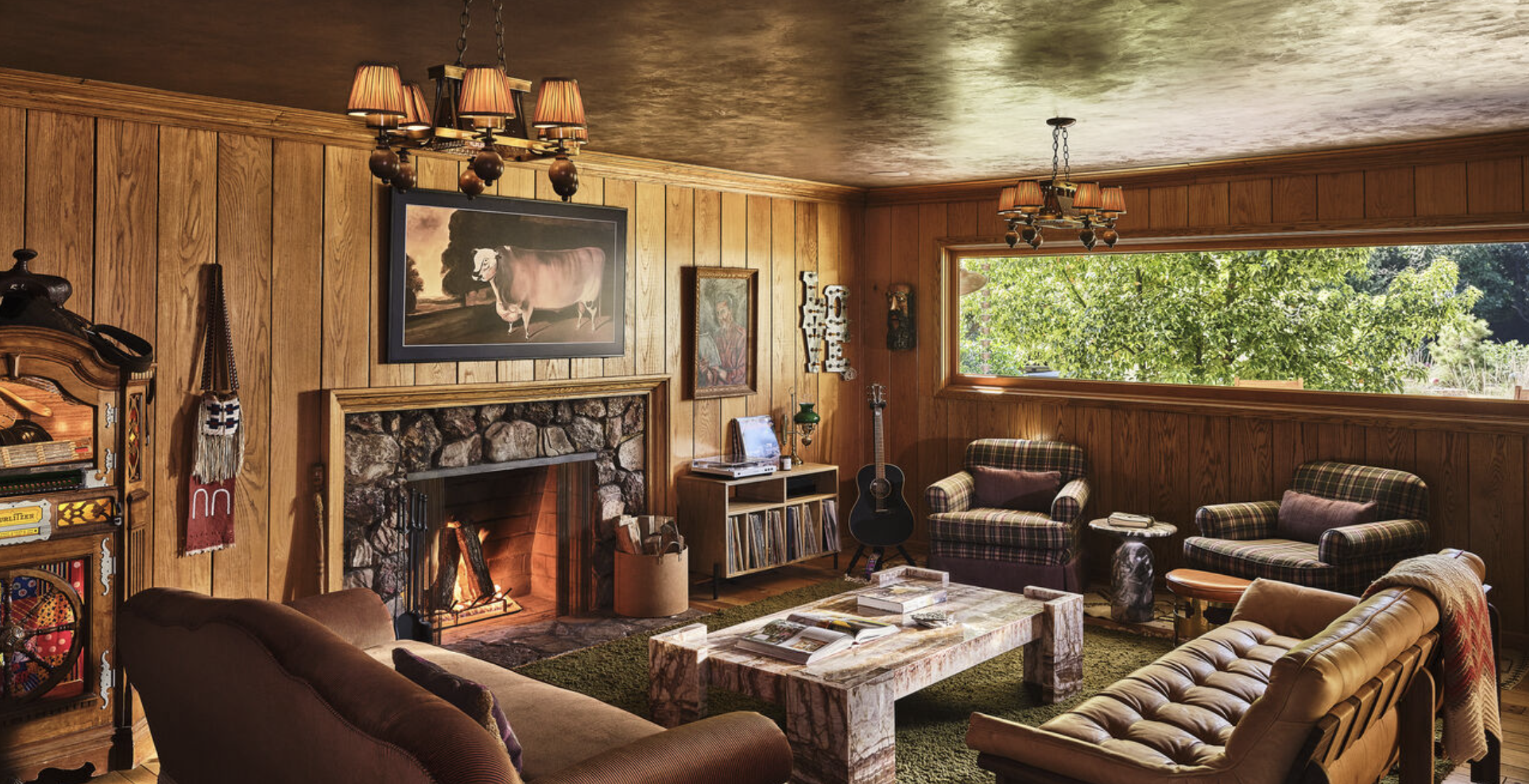
Image provided by Jonathan Mogharrabi
Why Buyers Are Falling Back in Love with Traditional Homes
For years, buyers gravitated toward open floor plans and fully renovated interiors. But that preference is shifting, and these traditional homes are starting to stand out for all the right reasons.
The floor plans are functional and intentional, with clearly defined living, dining, and family spaces that offer a sense of separation and privacy. Storage is often far better than what you find in older architectural homes, with built-ins, closets, and garages designed for everyday living.
Original details—like tilework, paneling, and fireplaces—are increasingly valued because they’re difficult to replicate authentically. The lots also tend to be larger, with usable outdoor space that adds real lifestyle value.
Most importantly, these homes don’t require a full renovation to feel special. With the right design approach—paint, wallpaper, lighting, and styling—they can be transformed into something that feels editorial and current while still honoring their roots.
Why This Trend Matters for Sellers
If you own a traditional home in Los Angeles, this shift presents a real opportunity.
For years, the assumption was that you needed to modernize before selling—open up the layout, remove original details, and create a more generic finish. But today’s buyers are increasingly drawn to homes that feel authentic and thoughtfully designed.
Grandmacore offers a different path. Instead of erasing the past, it builds on it.
When done well, it doesn’t feel dated or kitschy. It feels curated.
And in a market filled with similar-looking flips, that kind of individuality stands out. The same is true in Pasadena, where many post-war homes can benefit from a more thoughtful presentation strategy before hitting the market. If you’re planning a move, working with a Pasadena real estate agent who understands design-forward buyers can make a real difference.
The Bigger Picture
Grandmacore isn’t replacing Spanish or mid-century modern homes. Those styles remain as desirable as ever. What’s changing is the appreciation for everything in between—the post-war homes that were once overlooked.
In neighborhoods like Silver Lake, Los Feliz, Echo Park, Highland Park, Eagle Rock, and Pasadena, those homes make up a significant part of the housing stock. And for the first time in a long time, they’re being recognized for what they offer: great layouts, solid construction, and the perfect canvas for a more personal, layered design approach.
This isn’t just a passing trend. It’s part of a broader shift toward homes that feel real.
If you’re thinking about selling a home in Silver Lake, Los Feliz, Eagle Rock, or Pasadena, understanding how to position a traditional property within this trend can make a meaningful difference in both presentation and outcome. Learn more about my approach to selling your home in Los Angeles.